St. Thomas UCC (formerly Wenrich’s German Reformed and Lutheran) has existed since the early 1700s and been known under the names of Wenrich’s and Mt. Zion and St. Thomas. To read about our history, follow the links below, or check out other pages under the History tab. We hope this information is helpful and interesting!
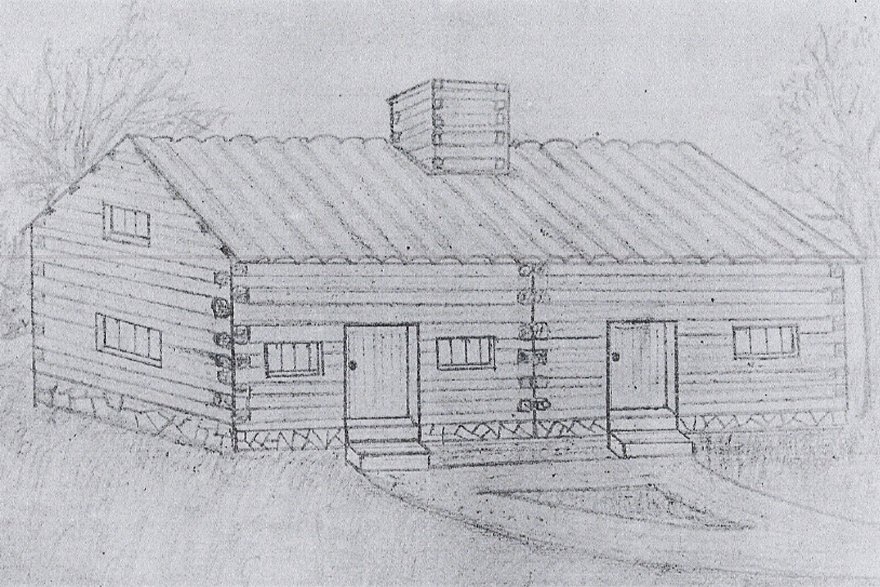
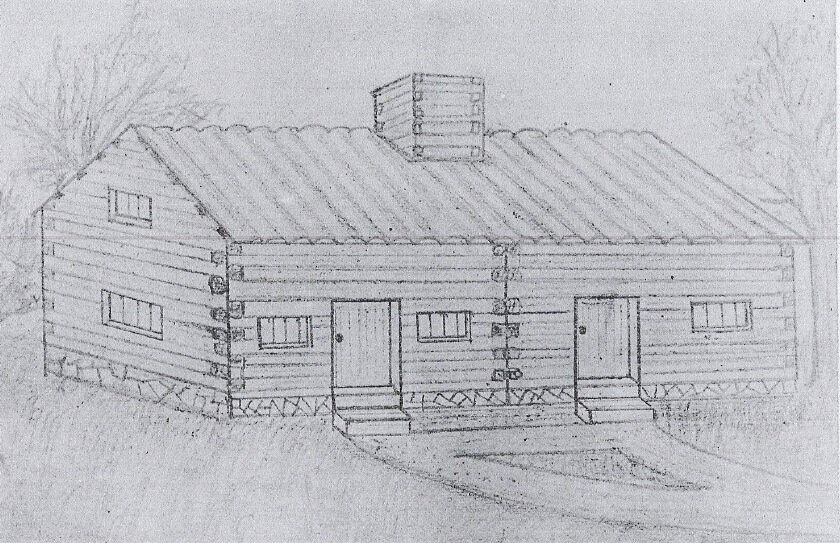
The first school and church was a log building used by Scotch-Irish Presbyterians and English Episcopalians and later the German Lutheran and Reformed congregations. The building was built sometime between 1765 and 1794 on property owned by Joseph and Hanna Berryhill. The land was later sold to Francis Wenrich and in 1793 he deeded the land to all four congregations. The church became known as Wenrich’s Church.
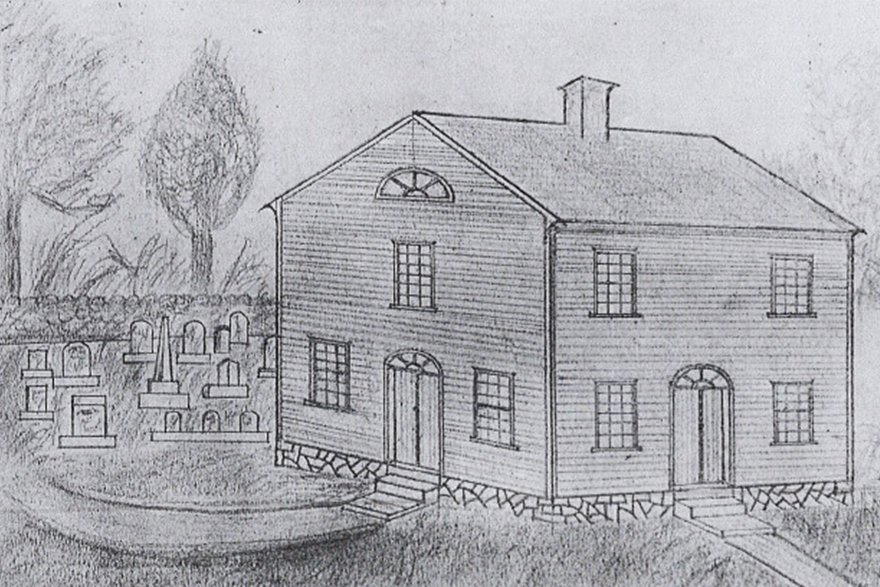
The second church building, known “the block church,” was used from 1794 to 1857 with the name Mt. Zion Evangelical Lutheran & Reformed Church.
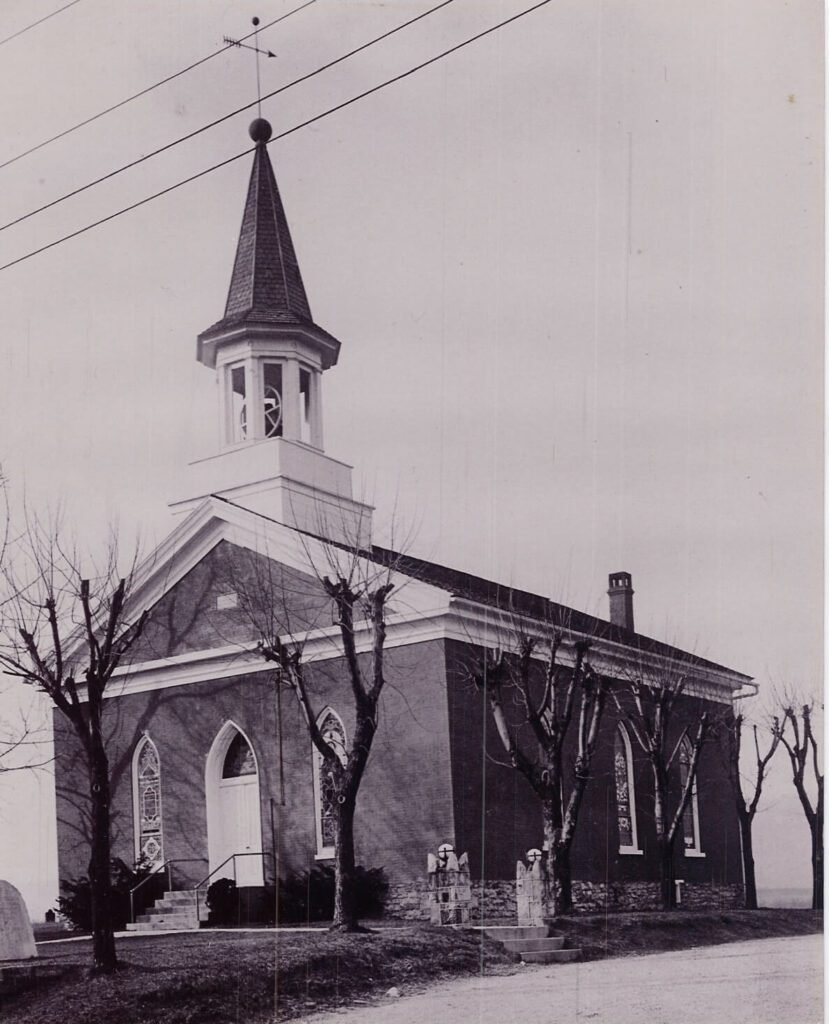
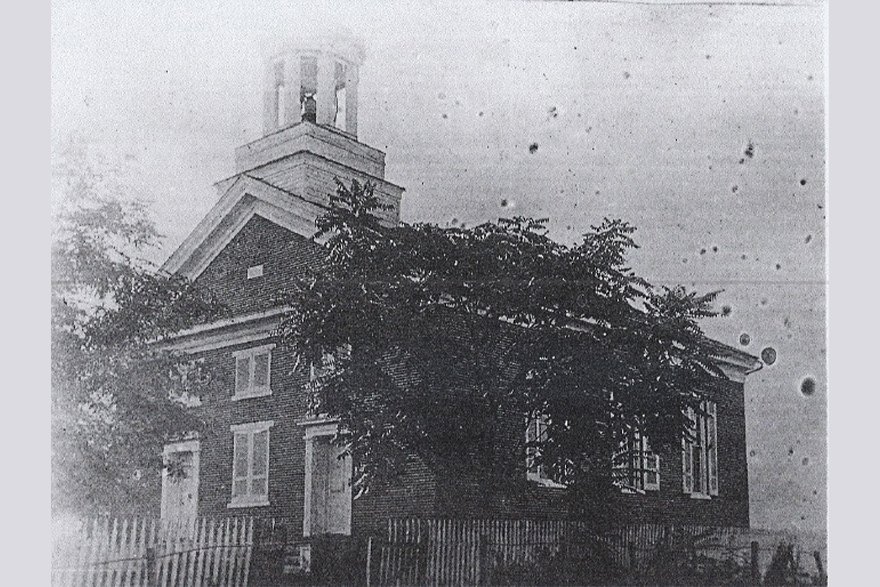
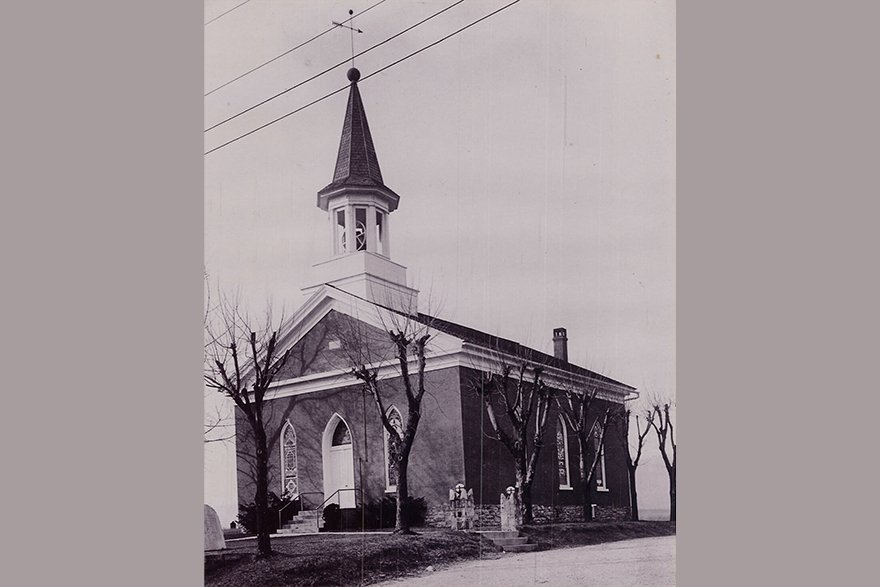
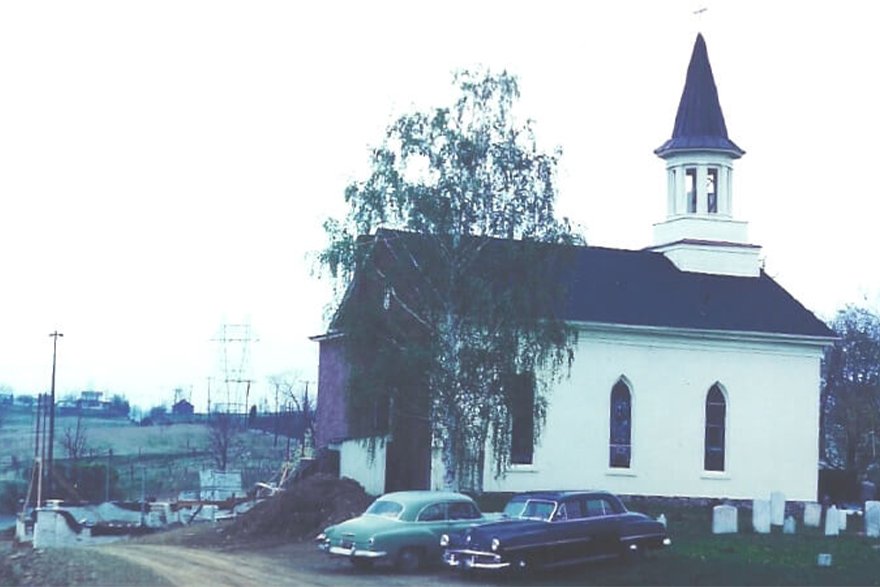
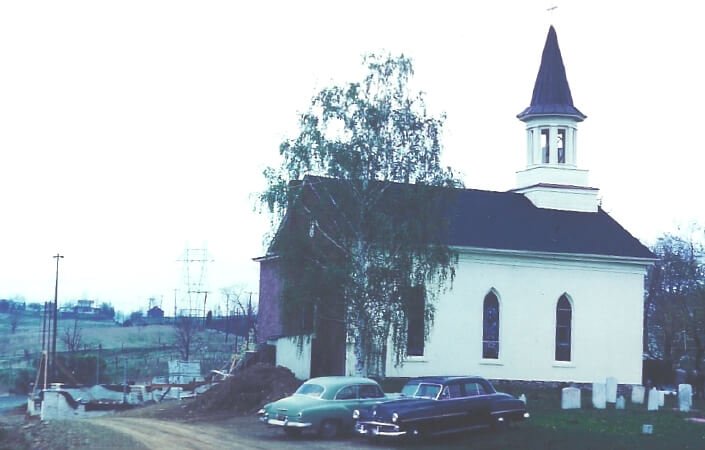
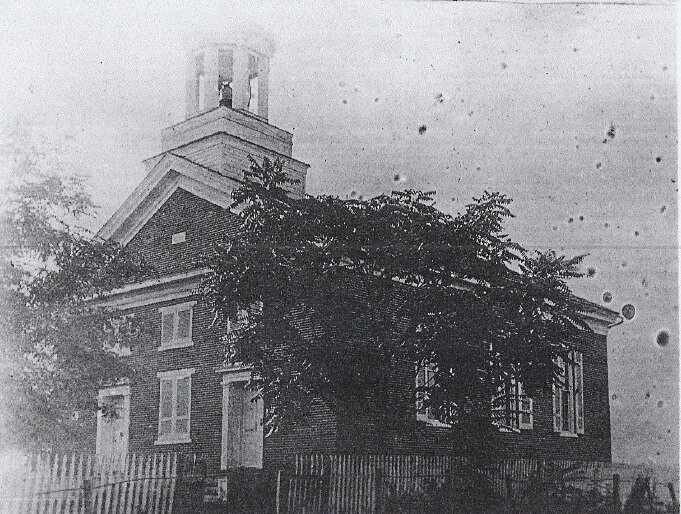
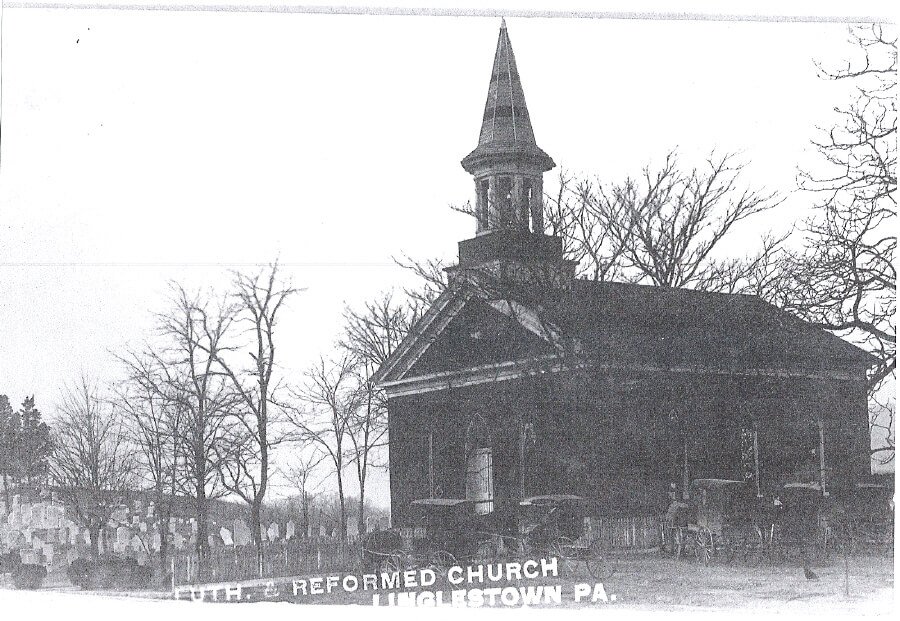
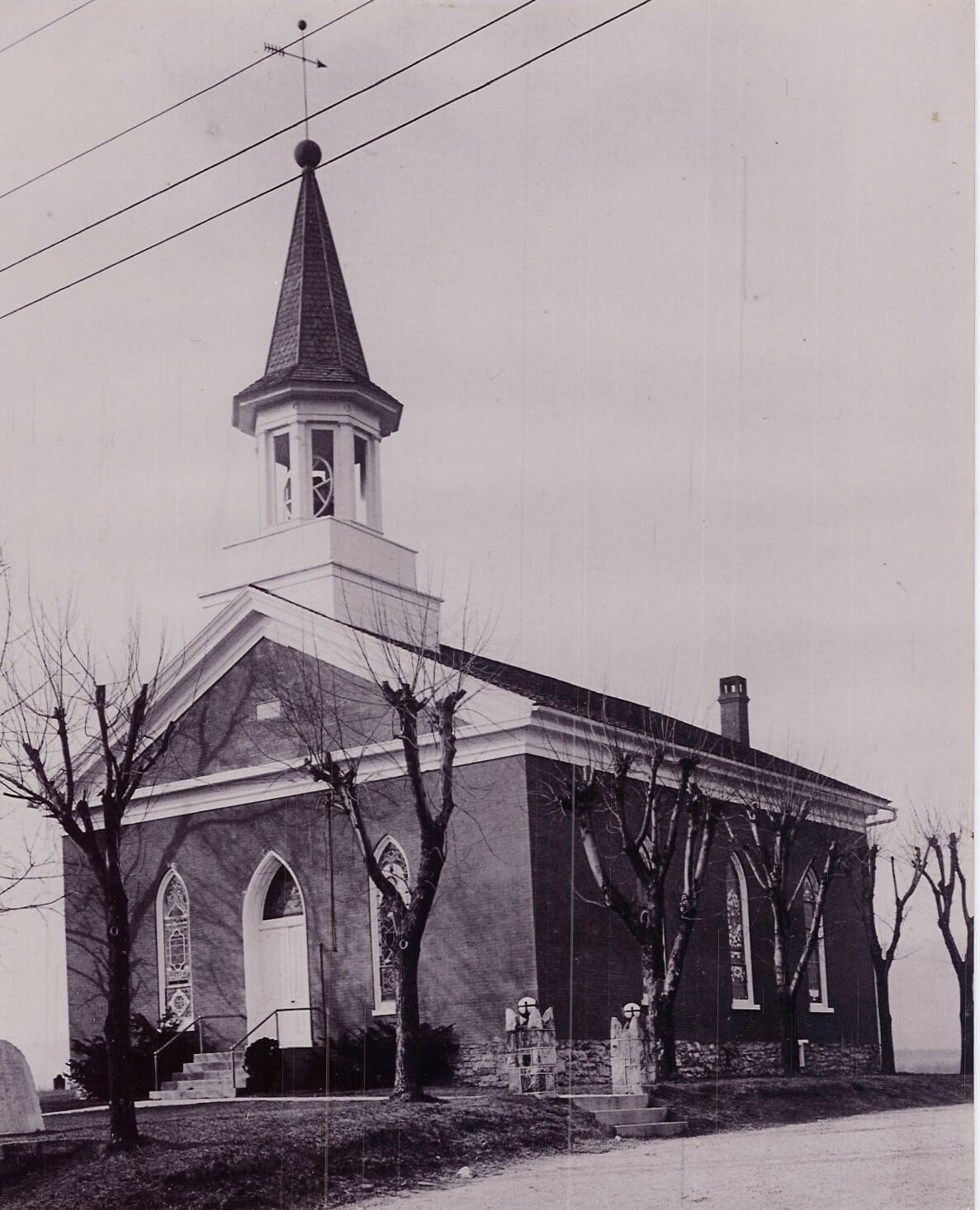
The cornerstone for the third and present sanctuary was laid in 1856. The building was built by German Reformed and Lutheran congregations. The building was yellow at first, then painted red and then white. In 1892 the building went through extensive renovations.
In 1939, the German Reformed Church merged with the Evangelical Synod of North American and the church became known as Wenrich’s Evangelical and Reformed Church.
The Lutheran congregation withdrew from the church in 1952. and in 1956, the remaining congregation chose a contemporary name, St. Thomas Evangelical and Reformed Church, a nod to the original name of Linglestown, The Towne of St. Thomas. In 1957, the church became part of United Church of Christ during a national merger. The church then became St. Thomas United Church of Christ. The east Education wing was added in 1959. In 1981-82 that wing was renovated and the west wing was added. The foyer on the south side of the building was added in 2000.
Extensions were added to the east and west wings in 2008-2009.
Photos
An artist’s rendition of the first school and church on the Joseph and Hanna Berryhill property. The building was used by Scotch-Irish Presbyterians and English Episcopalians, and later the German Lutheran and Reformed congregations. The property was sold to Francis Wenrich who deeded the property to all four congregations in 1793. Although an exact date is not known, it is believed the building was used between 1765-1794.
Nevin Moyer crafted this drawing from a description his mother provided of “eine blocke
Kirsche.” It was used from 1794-1857.
A view of the church building from circa 1892.
The cornerstone of this building was laid in 1856. It was completed in 1857 and is the base of the current sanctuary.
The sanctuary around 1922, when electricity was installed.
In 1959 the cornerstone was laid for the Education Wing.
Timeline of Major Church Events
1723
Scotch-Irish Presbyterians and English Episcopalians were settled in the area and worshiping on the land that was to become the present church property. The owners of the land were Joseph and Hannah Berryhill and later their son, Andrew.
1730
First house of worship (and school) was built on the property. The date varies in source documents. The Presbyterians and Episcopalian worshippers were gradually joined by Lutherans and German Reformed.
1784
Franz Wenerich purchased land from the Berryhills; part of the land was to become church property.
June 6, 1791
Official organization of the German Reformed congregation at Wenrich’s church.
Jan. 9, 1793
The major part of the present church property was deeded to the congregation by Francis Wenrich.
1793
Lutheran and German Reformed congregations drew up Articles of Agreement to become a union church.
1794 – 1857
A second house of worship stood on the knoll that is now the center of Wenrich’s Cemetery.
1820 – 1826
The Rev. John Winebrenner’s 7-year pastorate in the German Reformed Church began and ended in the charge that included Wenrich’s Church. He went on to found the Church of God.
Sept. 13, 1856
Cornerstone was laid for the third (present) sanctuary.
1891 – 1892
The sanctuary building went through extensive remodeling and stained glass windows were added to the Mt. Zion Evangelical Lutheran and Reformed Church.
1913
Third house of worship renovated again; tin ceiling added.
1922
Electricity added to the the Mt. Zion Evangelical Lutheran and Reformed Church
1939
National merger of the German Reformed Church with the Evangelical Church of North America to become the Evangelical and Reformed Church
1952
Lutheran congregation withdraws to their own building on North Mountain Road
1957
National merger of the Evangelical and Reformed Church with the Congregational Christian Church to become the United Church of Christ.
Church is painted white
1959
Cornerstone laid for the educational wing and first indoor plumbing.
1981 – 1982
Addition of the West wing and renovations to the educational wing.
2000
Addition of the foyer on the South side of the sanctuary.
2008 – 2009
Addition of extensions to both the East and West Wings.
2014
Church policy altered to accept same gender weddings.
FAQ
Do I need permission to enter the Wenrich’s Cemetery at St. Thomas United Church of Christ?
Permission is not needed. You may enter at any time. However, many of the stones are unstable. Any manipulation of the stones may cause them to fall and cause an injury. Entry is at your own risk.
Is there a historian or genealogist at St. Thomas UCC?
Yes! For assistance with information and searches, please contact kgifford10@verizon.net
What records are available at St. Thomas UCC?
See the church records page for a general description of the records that are available. If you know the specific era of interest, contact us with your specifics and we will determine if we have records for that era. We can also do a search for you.